
 AI
How to improve your resume with AI without exposing your data
Let’s look at how to use AI as a resume editor without oversharing to build a document that gets past automated screening systems and catches a recruiter’s eye.
703 articles
Let’s look at how to use AI as a resume editor without oversharing to build a document that gets past automated screening systems and catches a recruiter’s eye.

University students sometimes don’t see the practical value of what they’re studying, and aren’t always sure what to do next. Kaspersky Academy’s free “Cybersecurity. Entry Level” course can help them pick up in-demand skills directly from Kaspersky experts.

Get the most speed, reliability, and convenience out of your VPN by putting it on your router. Here’s a look at the real benefits of specific VPN setup scenarios for your whole home network.

Hiding your Wi-Fi network name might seem like a smart security move, but in practice it does more harm than good. Let’s take a look at how it works, what side effects it can have, and how to properly secure your home Wi-Fi.

A new feature in the ChatGPT app for macOS keeps a detailed log of everything you do on your computer, and stores that data in a freely readable text file. We assess the benefits, the risks, and settle on a plan of what to do.

Deleting an app from your Mac completely isn’t as simple as it sounds. We explain why, and show how App Cleaner in Kaspersky Premium for macOS clears out the leftovers.

We explain how to use AI the right way for schoolwork, how to fact-check chatbot responses, and how to protect your personal data.

Handing it to a store manager or cashier, posting about it in your neighborhood chat, or just keeping it – these are common actions if a bank card is found on the street, but they’re also the wrong ones. Here’s what you should actually do.
Who sends regular hidden requests from your smartphone and why, how phone number verification works, and whether you should turn it off.

Cybercriminals spend years mastering the art of manipulation to trick their targets. Here’s a look at how social engineering actually works, the exact emotions scammers weaponize, and what to do if you’ve already fallen for it.

Why subscription owners need to prioritize personal and family cybersecurity.

We’ve revisited our study on the crackability of real-world passwords leaked on the dark web — originally conducted two years ago. The findings are sobering: nearly every other password can be cracked in under a minute, and three out of five take less than an hour. How can we move away from insecure passwords?

We’re diving into how the Be My Eyes app helps blind and low-vision users, checking if it’s actually effective at spotting cyberthreats, and sharing essential safety tips for the visually impaired community.

Smart sex toys and their companion apps collect and process some extremely personal data. We break down the risks involved, and ways to protect your privacy.

Personal backups and home NAS are now in cybercriminals’ crosshairs. We break down exactly how hackers encrypt your data — and how you can stop them.

Tired of hallucinations in AI overviews, and have no clue as to why or how Copilot suddenly appeared on your PC? Here’s a guide to switching off those intrusive AI features in popular services.

A browser-in-the-browser attack, theoretically described in 2022, has been adopted in real-world phishing. We break down how it works, and how to spot a fake authentication window.
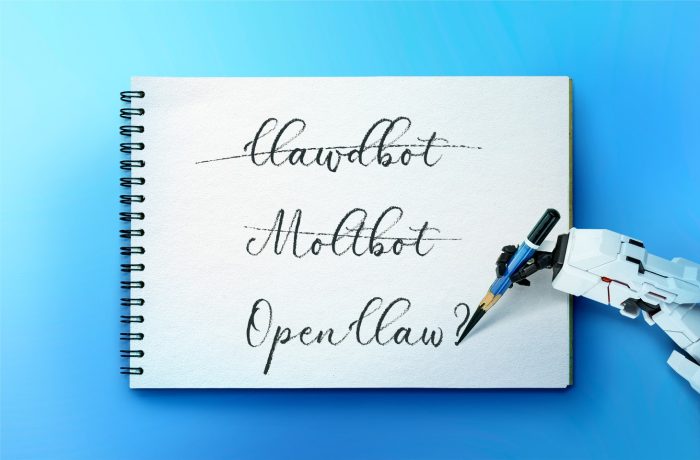
Today we’re diving into the OpenClaw AI agent — formerly known as “Clawdbot” and then “Moltbot” — to prove once again that secure AI is still a long way off.

Our Android apps are no longer available on Google Play. We explain how to download, install, and update them by alternative means.

Eight digital New Year’s resolutions you absolutely need to keep.

We break down a new scam that leverages Telegram Mini Apps, and explain how to avoid taking the bait.
 kaspersky academy
 wi-fi
 ChatGPT
 bank cards
 subscriptions
 tips