
 american life project
Report: Smartphone users are wary of privacy breaches
As the use of Smartphones continues to grow in the U.S., the majority of users are very sensitive about how much personal information they have to share when downloading apps
708 articles
As the use of Smartphones continues to grow in the U.S., the majority of users are very sensitive about how much personal information they have to share when downloading apps

Why do we have a love-hate relationship with dating apps, and what are they doing to our brains? Can an emoji start a war? Is marrying an AI actually a thing? We’re exploring how modern tech is redefining love and our very ideas of it.

Children’s AI toys have been caught discussing drugs and sex with kids. We break down the results of a study that reveals exactly how these smart (too smart!) toys are blowing up past boundaries.

Researchers have discovered that styling prompts as poetry can significantly undermine the effectiveness of language models’ safety guardrails.

Generative AI has taken sextortion techniques to a whole new level — now, any social media user can become a victim. How can you protect yourself and your loved ones?

Eight digital New Year’s resolutions you absolutely need to keep.

We break down a new scam that leverages Telegram Mini Apps, and explain how to avoid taking the bait.

The Whisper Leak attack allows its perpetrator to guess the topic of your conversation with an AI assistant — without decrypting the traffic. We explore how this is possible, and what you can do to protect your AI chats.

We’re going bargain hunting in a new way: armed with AI. In this post: examples of effective prompts.

Systematic measures and tools that organizations can use to defend against malicious browser extensions.

How malicious extensions can spoof AI sidebars in the Comet and Atlas browsers, intercept user queries, and manipulate model responses.

Pixnapping is an Android vulnerability discovered by researchers that allows apps to steal passwords, one-time codes, and other confidential information from the screen without any special permissions from the operating system. How does it work, and what can you do to protect yourself?

Researchers have discovered that 50% of data transmitted via satellites is unencrypted. This includes your mobile calls and texts, along with banking, military, government, and other sensitive information. How did this happen, and what can we do about it?

A step-by-step guide to deleting as much of your digital footprint as possible.

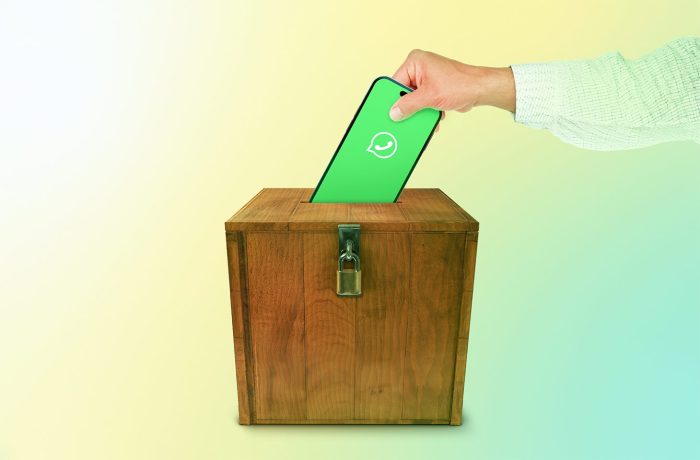
We discovered a new wave of attacks on WhatsApp users in which attackers steal victims’ accounts using fake voting pages and social engineering on social networks.

The Kaspersky for Android app can now detect malicious links in notifications from any app.

Artificial intelligence has given scammers a new set of tools for deception — from generating deepfakes, to instantly setting up phishing websites or fraudulent email campaigns. Let’s discuss the latest AI trends in phishing and scams — and how to stay safe.
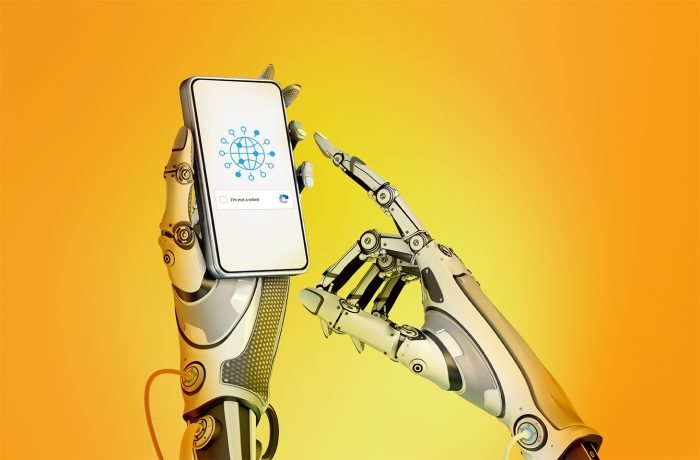
A race between tech giants is unfolding before our very eyes. Who’ll be the first to transform the browser into an AI assistant app? As you test these new products, be sure to consider their enormous impact on security and privacy.

We explain how cyberattackers intercept cookies, the role of the session ID, and how to keep your cookies from going over to the dark side.

WordPress sites are increasingly becoming targets of attacks exploiting vulnerabilities in plugins and themes. In this post, we examine recent cases and share protection tips.
 dating
 AI
AI tips
tips messengers
 privacy
 Kaspersky for Android